Train The Body
From The Inside Out.
If pain keeps coming back no matter what you stretch, strengthen, or treat — the real problem is probably somewhere else. We find the system behind your pain, retrain it, and rebuild a body that moves the way it was designed to.
Science Based. Practical. Transformative.
Book Your AssessmentEvery program starts here. Most clients feel the difference within the first few sessions.
Stop Forcing Posture.
Start Changing The Information Behind It.
You've tried the stretches, the strengthening, maybe even therapy — and the pain came back. That's because posture is not a position you hold. It's the output of the systems that tell your body where it is in space. Fix the input, and the body fixes itself.
Does any of this sound familiar?
Vision
Your eyes are constantly telling your brain where you are in space.
Vestibular
Your inner ear helps your body sense balance and movement.
Proprioception
Sensors in your joints, muscles, and feet tell your brain your position.
Breathing
How you breathe changes how your body holds itself.
Nervous System
Your nervous system organizes posture in real time.
Hormonal State
Hormones affect muscle tone, recovery, and how you carry stress.
When these systems work together, your posture improves naturally and stays strong.
Assess.
Don't Guess.
Posturology is the study of how the brain uses sensory information from the feet, eyes, inner ear, jaw, and body to organize posture and movement.
Every client begins with a comprehensive assessment. In one visit, we map how your body takes in information, where it compensates, and why the pain keeps returning. No guesswork — just clear answers about what your body actually needs.
What The Assessment Covers
- Postural Analysis
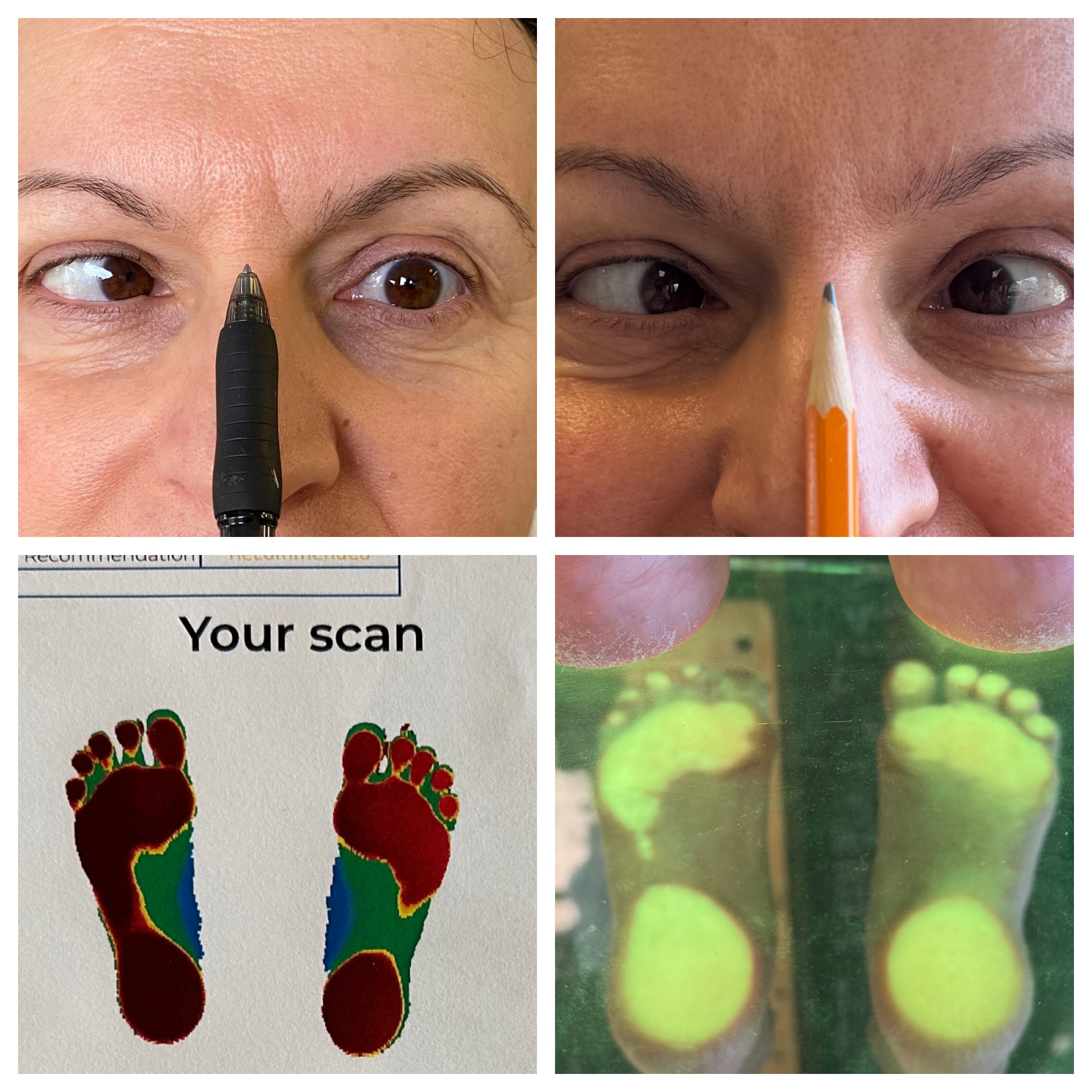
- Foot & Plantar Sensory
- Balance & Stability
- Eye Movement & Visual Processing
- Vestibular Function
- Primitive Reflex Screening
- Breathing & Autonomic System
- Coordination & Neurological Organization
Clarity about your body is the first treatment. Everything after the assessment is built on what we find — not on a template.
The Systems Behind
Posture And Movement.
Posturology works because it addresses the systems that drive how the body organizes itself. We use the CIES methodology to retrain those systems — and create a personalized plan to help the body reorganize itself.
Foot & Plantar Re-education
Restore how the feet sense and interact with the ground — the foundation the brain uses to organize posture.
Visual & Eye-Movement Work
Retrain how the eyes track, focus, and coordinate with the body and environment to reduce compensations.
Vestibular & Balance Training
Strengthen the inner-ear and balance systems that drive spatial orientation, stability, and smooth movement.
Reflex Integration
Identify and address retained primitive reflexes that may be quietly influencing posture and movement patterns.
Breathing & Nervous-System Regulation
Rebuild healthy breathing patterns and regulation of the autonomic system — the levers behind tone and recovery.
Coordination & Neurological Reorganization
Retrain how the nervous system sequences and coordinates complex movement so the body moves as one system.
Only Accredited CIES Posturologist In Greater Pittsburgh
Our assessment and program is grounded in the CIES (Collège International d'Étude de la Statique) methodology — the global standard for postural assessment.
A Personalized Plan, Not A Protocol
Every recommendation is built around your assessment findings, your goals, and the demands of your sport, work, and life.
Why Posturology Works.
Forcing your body into position is a fight you lose every day. Changing the information it receives is what makes results last. That's the difference between managing pain and resolving it.
Brain
Better information.
Better control.
Movement
Efficient mechanics.
Peak performance.
Longevity
Resilient body.
Health for life.
Real Results,
Measurable Change.
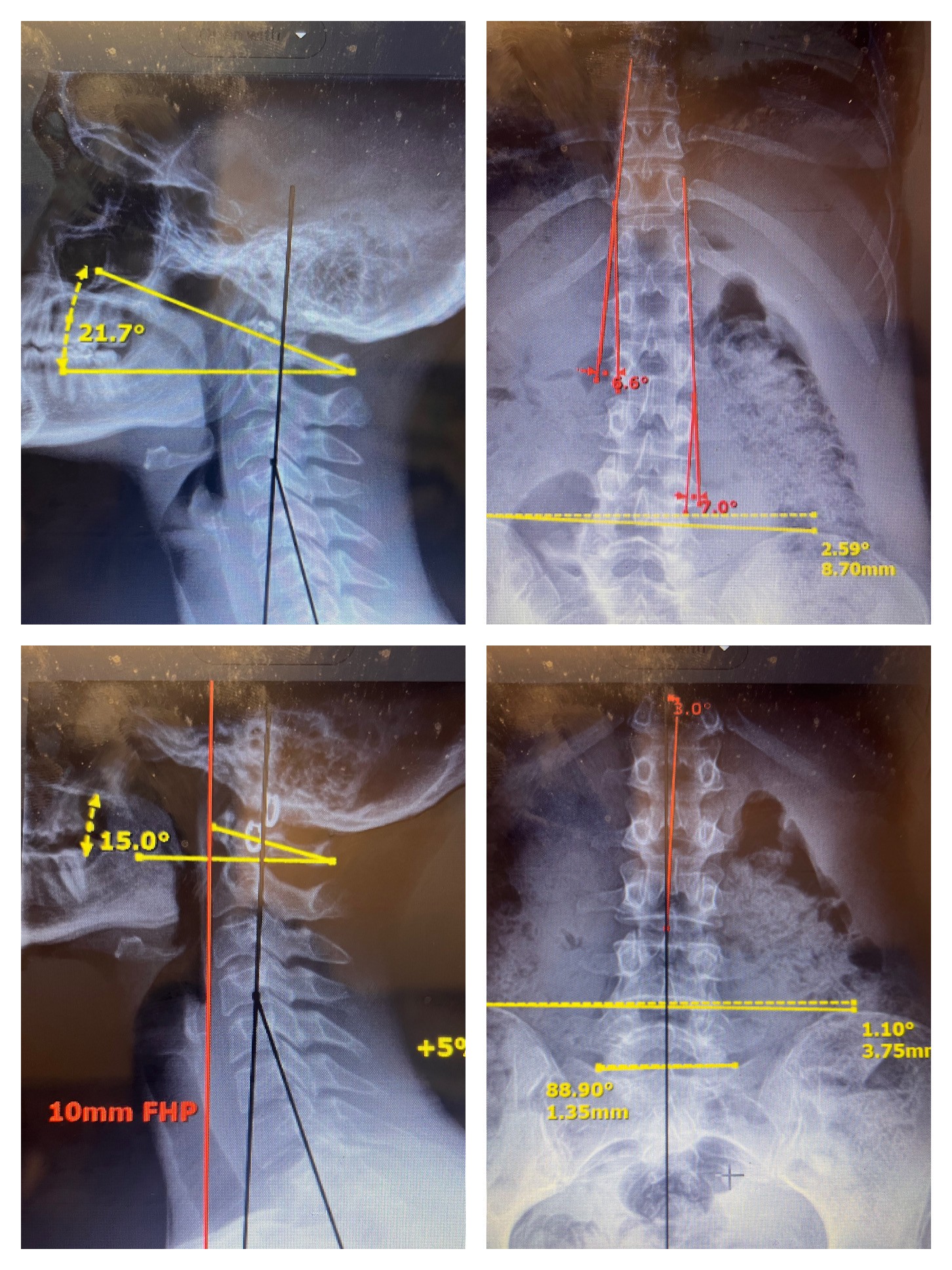
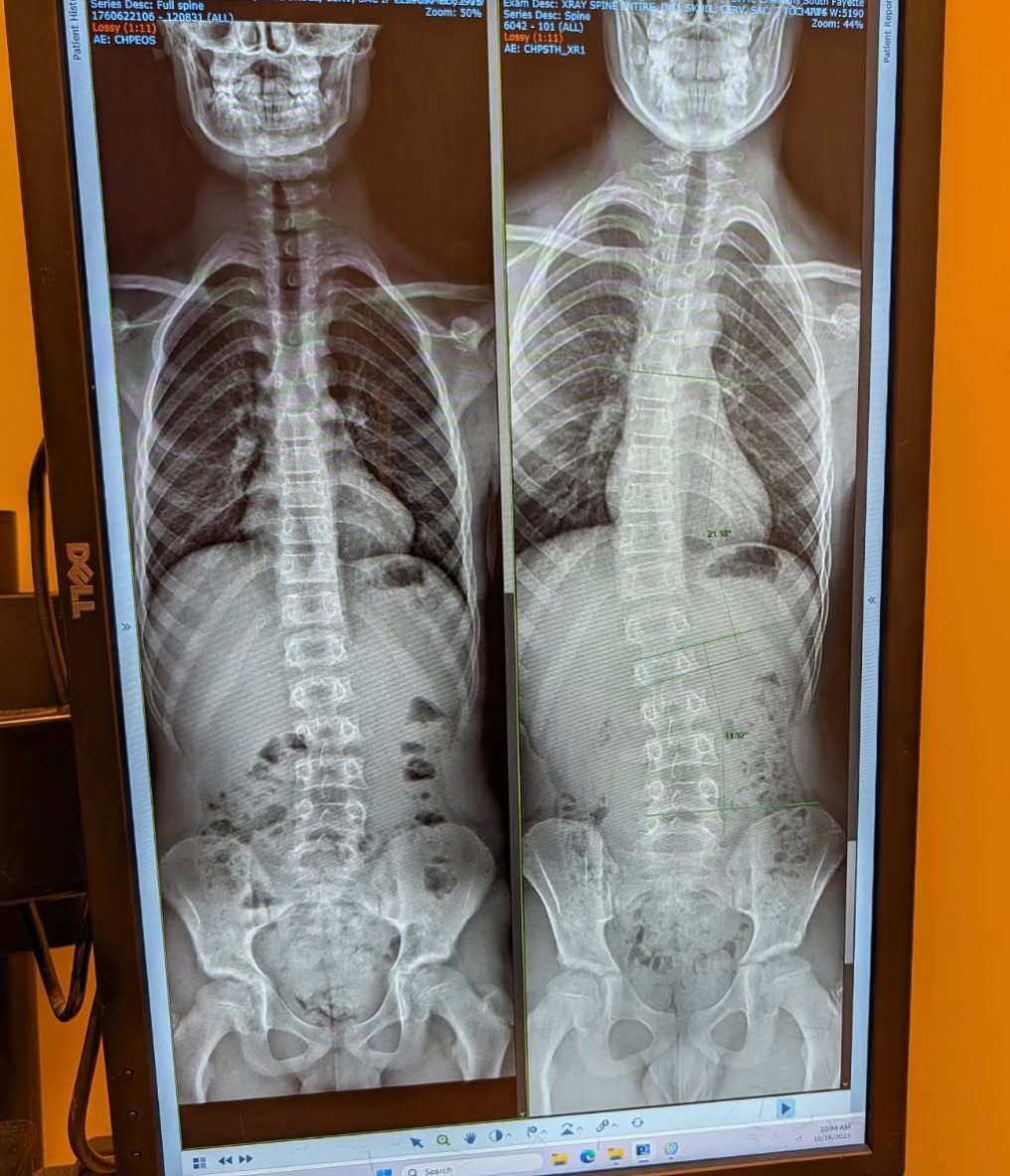
Documented results from real clients — measured, not promised. Ask us about outcomes like these when you come in.
What You Can
Expect.
- Pain that finally has a cause — and a plan.
- Posture, balance, and movement that hold up over time.
- Resolved chronic tightness, recurring injuries, and compensations.
- Confidence returning to the activities you love.
- Measurable, documented change — including X-ray comparisons.
- A nervous system organized for resilience, not survival.
Every person deserves to move without unnecessary pain. Our job is to identify what's standing in the way.
Conversations On
Posture & The Brain.
Jeff has sat down with some of the leading voices in posturology — neurologists, posturologists, and orthopedic surgeons — to talk about how the brain organizes posture and why that matters for pain, performance, and movement.
Just Fly Sports · Ep. 383
A Neurological Approach to Posture and Athletic Movement
Mat Boulé & Jeff Moyer
Functional neurology, posture, and how the brain drives athletic movement — a deep dive into how the nervous system organizes posture before force is ever produced.
Down the Rabbit Hole · Paul Gagné
How Posture & Breathing Affect Performance
Paul Gagné
Posturologist Paul Gagné on why some athletes dominate in games while looking average in the weight room — how the brain uses vision, the vestibular system, and the foot to organize posture.
Down the Rabbit Hole · Dr. Bricot
Posture Is a Brain Story
Dr. Bernard Bricot
Orthopedic surgeon and posturology pioneer Dr. Bernard Bricot on why posture isn't about "standing up straight" but about how the brain reads the world through the feet and eyes — and what that means for back pain, performance, and the body.
Stop Guessing. Start Finding Out.
One assessment. Clear answers. A plan built around your body and your goals. The sooner you understand why the pain is there, the sooner it stops running your life.